Nature's Antimicrobials: What Mastic Gum, Berberine, and Oregano Oil Actually Do in Your Gut
Every week I hear some version of the same story.
Someone has been bloated for years. Maybe they've done elimination diets, tried probiotics, cut gluten, gone dairy-free. Nothing sticks. Then they read about oregano oil or berberine, start taking them, and feel a little better for a while. Then they plateau. Or crash. Or the bloating comes right back.
The problem isn't the supplements. The problem is that they were shooting in the dark.
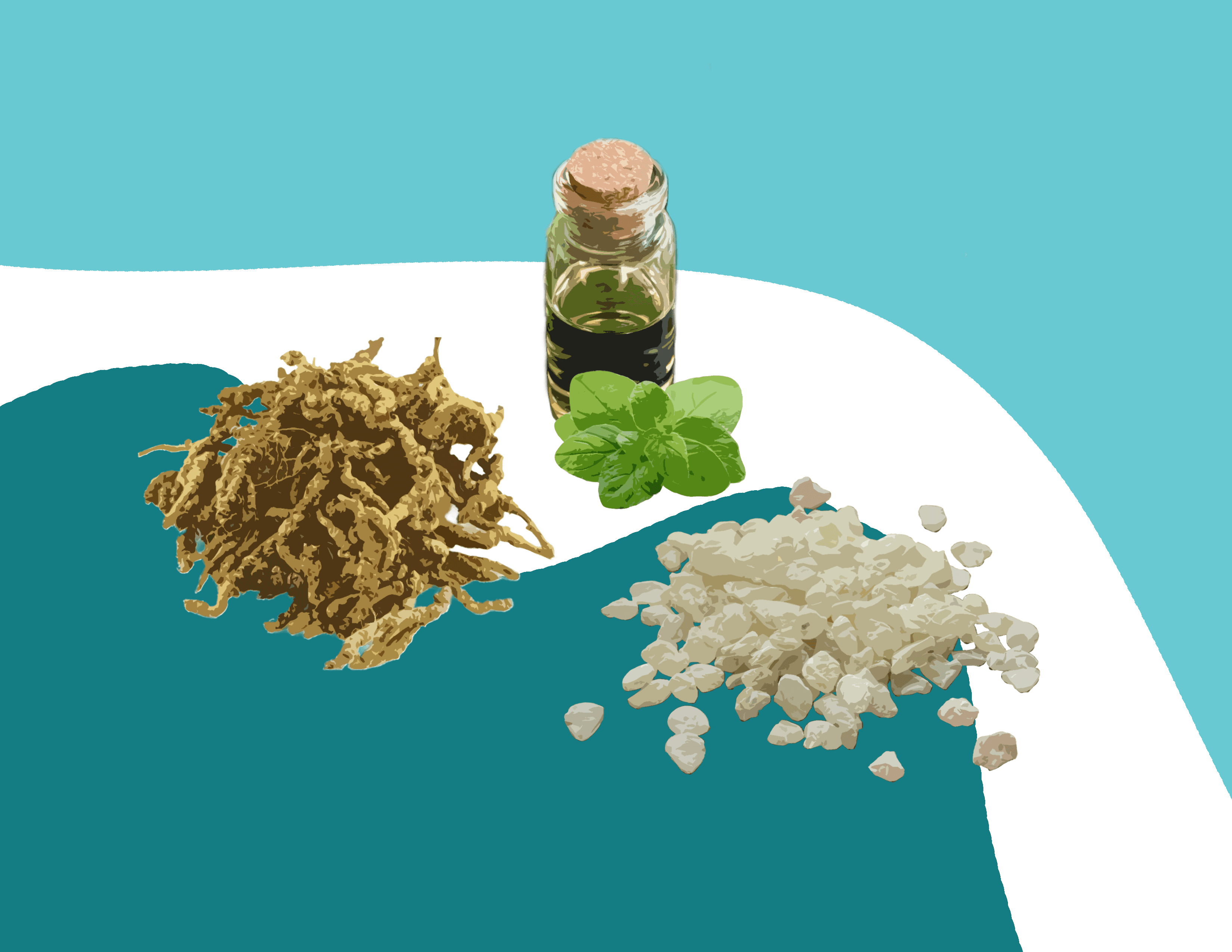
Mastic gum, berberine, and oregano oil are genuinely powerful antimicrobial tools. Research backs them up. But "antimicrobial" means they kill things, and in your gut, what you kill matters as much as what you target.
Here's what these three actually do, and why testing first changes everything.
Mastic gum
Mastic is a resin from the mastic tree, native to the Greek island of Chios. It's been used medicinally for thousands of years, and it turns out, with good reason.
Its most studied application is against H. pylori, the bacterium that colonizes the stomach lining and is a leading driver of gastritis and ulcers. Studies show mastic gum can inhibit H. pylori growth and reduce bacterial load. Some research suggests it may also support gut barrier integrity, helping to address the leaky gut piece that often goes hand in hand with chronic digestive dysfunction.
What makes mastic interesting is that it tends to be relatively targeted. It's not a broad-spectrum antimicrobial that wipes the floor clean. That's useful, but it also means if H. pylori isn't your issue, mastic gum may not be doing much of anything.
The GI-MAP test checks directly for H. pylori using qPCR DNA testing. If it shows up, mastic gum becomes a compelling part of your protocol. If it doesn't, you save yourself months of a supplement that isn't solving your problem.
Berberine
Berberine is one of the most researched natural compounds on the market right now. It's a yellow alkaloid found in plants like barberry, goldenseal, and Oregon grape, and it has a genuinely impressive range of effects.
In the gut, berberine has demonstrated broad-spectrum antimicrobial activity against bacteria, parasites, and certain fungi. It inhibits bacterial adhesion to gut wall cells, disrupts biofilm formation (the protective shield some bacteria use to evade treatment), and shows activity against organisms like Giardia, E. coli, Staphylococcus, and Candida.
It also has a meaningful effect on blood sugar regulation, which is why it's gotten attention well beyond gut health. For some people, this is a bonus. For others, especially those with already-low blood sugar, it's something to be aware of.
The broad-spectrum nature of berberine is both its strength and its limitation. It doesn't discriminate well. That means if your beneficial bacteria are already depleted (something the GI-MAP specifically measures) berberine can make things worse before they get better. It's a powerful tool. It needs a map.
Oregano oil
Oregano oil has earned a reputation as the most aggressive of the three, and that reputation is largely deserved. The active compounds, carvacrol and thymol, have demonstrated antimicrobial activity against a wide range of pathogens including bacteria, parasites, and fungal overgrowth like Candida.
It's often used in protocols targeting Candida overgrowth, SIBO, or stubborn bacterial infections that haven't responded to other interventions. Some practitioners use it as part of an H. pylori eradication protocol alongside mastic gum and other agents.
But "broad-spectrum antimicrobial" is exactly the kind of phrase that should make you pause. Oregano oil doesn't spare the good guys. Used carelessly, without knowing your baseline microbiome, it can deplete the commensal bacteria your gut depends on. The Lactobacillus and Bifidobacterium species that keep opportunists in check, support your immune system, and help regulate digestion.
If your GI-MAP shows fungal overgrowth, elevated opportunistic bacteria, or confirmed parasites, oregano oil can be a targeted and effective intervention. If it doesn't, you may be creating a problem you didn't have before.
The pattern worth noticing
All three of these supplements follow the same logic: they work best when you know what you're treating.
Mastic gum for H. pylori. Berberine for a range of opportunistic bacteria, parasites, and fungal overgrowth. Oregano oil for stubborn infections that aren't resolving with gentler approaches.
The reason people get mixed results with these isn't that the research is wrong. It's that "I've been bloated for years" describes a symptom, not a root cause. Bloating can come from low stomach acid, from SIBO, from a specific bacterial imbalance, from a parasite, from post-infectious gut disruption. It can come from a dozen different things, and the right intervention depends on which one you're actually dealing with.
Know before you treat
The GI-MAP stool test shows exactly what's living in your gut: pathogens, opportunistic bacteria, parasites, fungal overgrowth, and the state of your beneficial flora. So if a natural antimicrobial protocol makes sense for you, we can build one that's specific to your results.
Order the GI-MAP TestA note on "die-off"
One thing worth addressing: if you start a natural antimicrobial and feel worse for a few days, that's sometimes described as a herxheimer reaction or die-off. The idea is that killing pathogens releases toxins that temporarily worsen symptoms.
This does happen. But it's also used to explain away protocols that simply aren't working, or are causing more disruption than benefit. Feeling worse for a week isn't always a sign you're on the right track.
If you're working from a GI-MAP result with a practitioner, you have a baseline to come back to. You can retest. You can see whether what you targeted actually changed. That's what separates a protocol from a guess.
What we actually do
At Your Gut Story, natural antimicrobials like berberine, mastic gum, and oregano oil often show up in treatment plans. But only after testing. The GI-MAP gives us a clear picture of what's elevated, what's depleted, and what your gut actually needs addressed.
From there, Dr. Bryn builds a personalized plan. That might include antimicrobial support, dietary shifts, targeted probiotics, and strategies to rebuild what's been disrupted. The protocol follows the data.
If you've been trying things on your own and not getting traction, that's usually the missing piece. You don't need more supplements. You need to know what you're working with.